
Our story: why PPR Capital buys businesses to keep them
Why we exist
To ensure businesses are passed on properly,
with continuity for what has been built
and the people behind it.
Nikita Gossain started PPR Capital after seeing too many good businesses face an uncertain future when owners were ready to step back. These were businesses built over decades. They supported staff, looked after customers, and earned real trust in their communities.
But when the owner was ready to retire, things often did not go the way they should. Some businesses ended up in the wrong hands, where what had been built was slowly undone. Others never transitioned at all. Owners stayed longer than they wanted to, or the business was simply wound down because there was no clear path forward.
In the $1.5m to $10m profit range, there are simply fewer buyers than sellers expect. These businesses are often beyond what most individuals can take on, but not large enough for bigger buyers. Larger groups are under pressure to deploy significant amounts of capital, and because the work involved in buying a business in this size range is not much different to a much larger one, they tend to focus their time on bigger deals.
Larger buyers are also typically working to a set timeframe, often around five years, with a clear focus on growing and exiting the business, which can lead to decisions that favour short term results over preserving what has been built and allowing it to continue steadily over time.
We believed there was another way to do this.One built on patience.
Taking the time to get transitions right, and building real experience in handling them properly.
Taking a long term view on returns, allowing the business to naturally strengthen over time rather than forcing change.
And being selective in what we buy, focusing only on businesses where this approach makes sense.
Executed properly, legacy and performance wouldn't conflict. They would synergise, generating steady, sustainable improvements while allowing businesses to grow at their natural, sustainable pace. The idea seemed sound. The question was whether it could be done properly in practice.
In 2020, we set out to do exactly that.
The first business
A 40 year old electronic security business
Day one
I took a leap and bought my first business using my own savings and a bank loan. It was a 40 year old electronic security business. The lessons came thick and fast. The first was that a transition takes far more than just saying the right things. Standing in front of the team on day one, talking about continuity and job security, didn't remove the underlying uncertainty. That confidence had to be built over time, through presence and consistent follow through.
As the months went on
As the months went on, things settled. The team found their rhythm, customers stayed loyal, and the business continued as usual.
Then Woolworths
Then Woolworths adopted our fog security system.
What should have been an exciting moment really wasn't.
Orders built up, the team was stretched, customers grew frustrated, and the strain began to show.
Looking back
Looking back, my biggest mistake was trying to run the business exactly as the previous owner had. It came from a place of respect, but it wasn't realistic. He had decades of instinct behind every decision, built through different economic cycles, challenges and periods of growth. I didn't. The Woolworths rollout made that clear. If the business was going to hold up under my ownership, I needed new processes, systematic frameworks and organisational structure he'd never have needed.

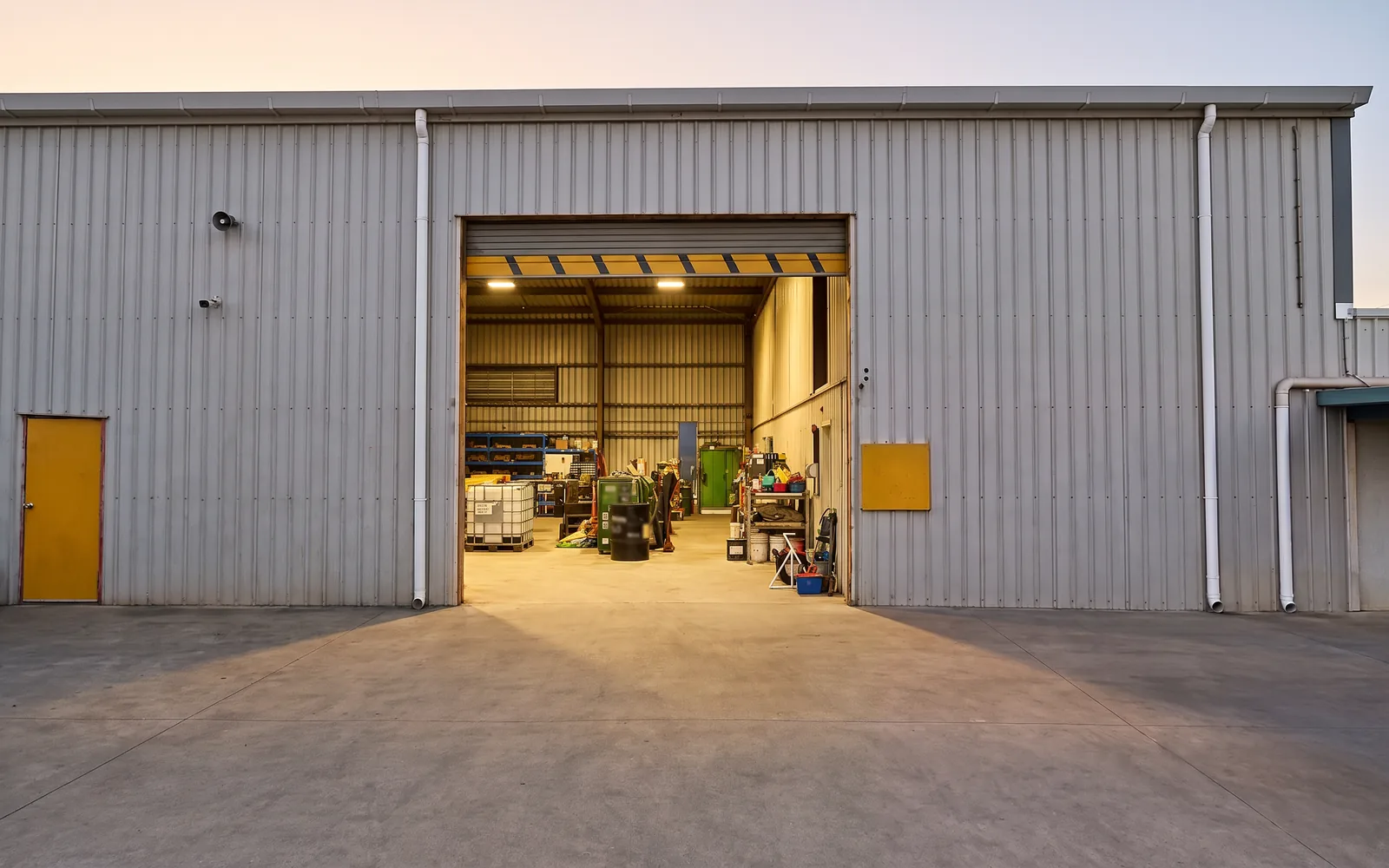
The Measure of a Life's Work
Shortly after the sale, the owner passed away.
The business kept going, held up by the foundation he had built over decades.
At his funeral, listening to people speak about his life, I was struck by how much of it was tied up in the business. Not because it was everything he was, but because so much of his time, judgement, sacrifice, and care had gone into building it. It carried part of his story. It carried part of his family's story too.
That stayed with me.
Growing up around a small business, I had always known how much sits behind one. Years of work, responsibility, and decisions that are not always easy.
Owning one made that clearer still. Taking on a business is not something I take lightly. It means stepping into something built over a lifetime, and knowing the weight of that now sits with me.